Aluminum Extrusion

Custom Online Aluminum Extrusion Services

Get instant online quotes for 3D printed parts in both plastics and metals. Order high resolution rapid prototypes and production parts with precision.

 
Play Video

Aluminum Extrusion Services for Custom Prints

Our custom 3D printing services are designed to meet your exact needs. From rapid prototypes to full-scale production parts, we deliver custom 3D printed parts with speed and precision. Our advanced technologies, including SLA, HP MJF, SLS, and SLM, ensure high-quality 3D printing processes that maintain tolerances as fine as ±0.2 mm. Trust our 3D printing experts for reliable, high-resolution parts that meet your exact specifications.

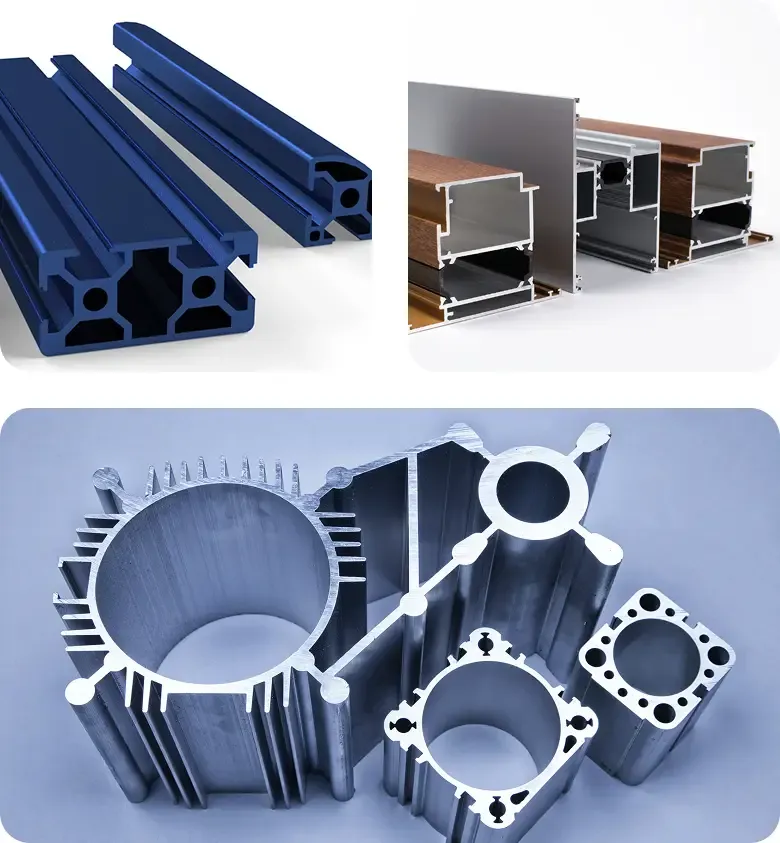
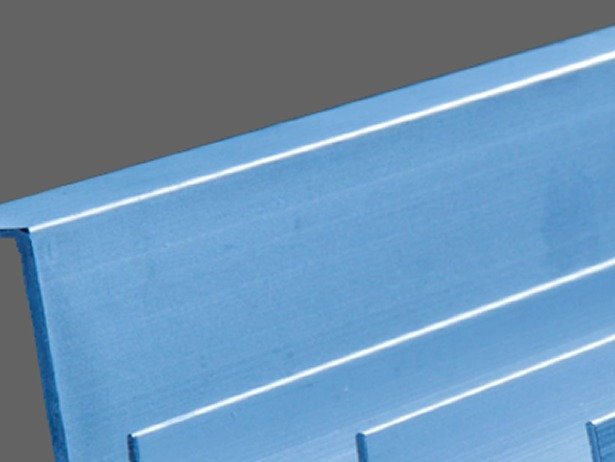
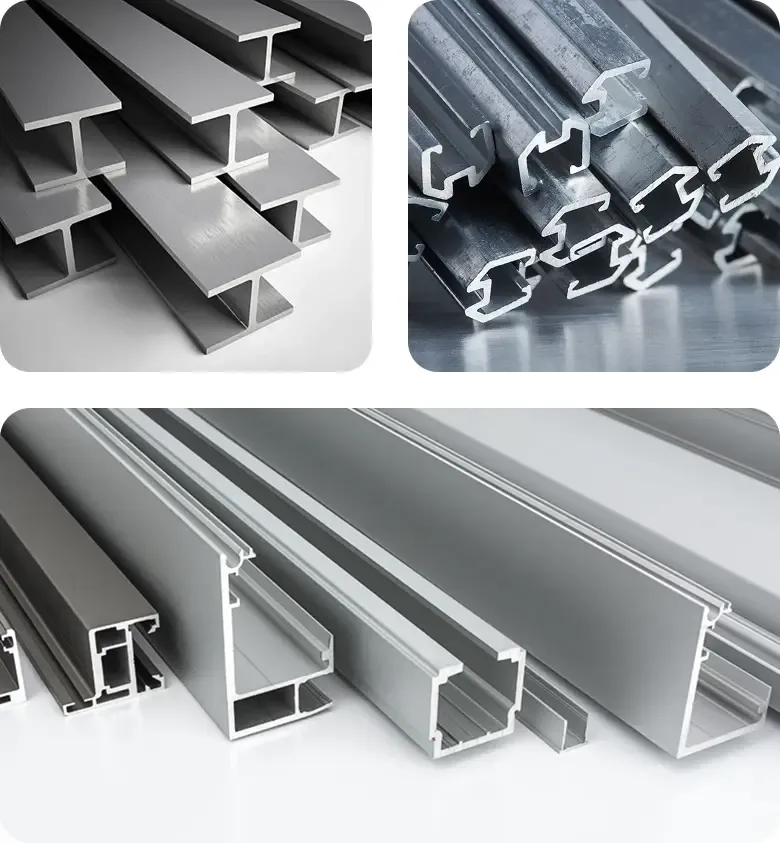
For projects that require basic strength, shapes, and functionality, standard extruded aluminum profiles offer a fast and cost-effective solution. RapidDirect provides a wide selection of commonly used profiles for general applications, ensuring efficiency and value.

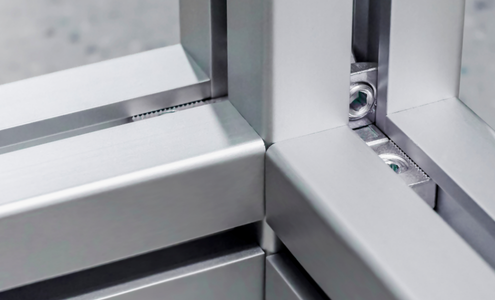
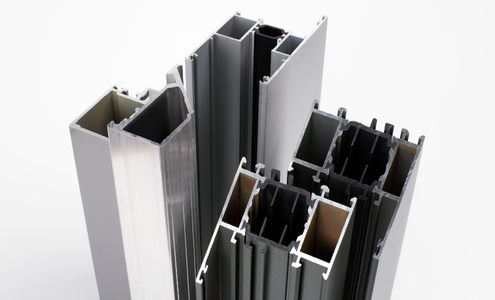
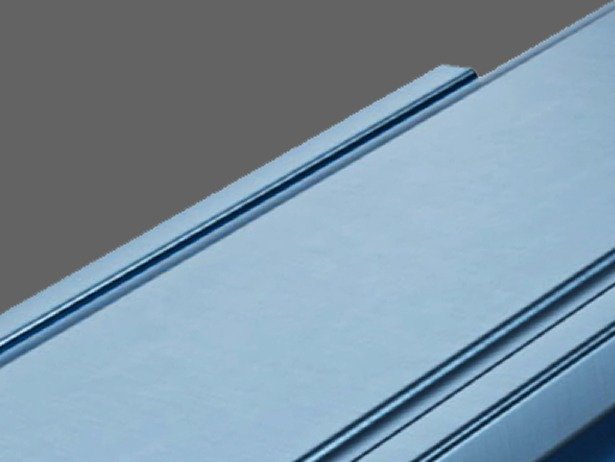
When standard profiles don’t meet your functional, cost, or design needs, custom extrusion is the solution. Our fully customized aluminum extrusion services let you specify shape, color, surface finish, and material to match your exact requirements.

Our team will review your drawings, confirm feasibility, and choose the optimal process to deliver high-quality results with quick turnaround times.

We support a variety of custom types, including:

Materials for Custom Aluminum Extrusion

Our standard aluminum alloys offer a range of strength, corrosion resistance, and machining properties, making them ideal for construction, automotive, and electronics applications.

Alloy 6061

A strong aluminum alloy known for its excellent corrosion resistance and ease of machining. Ideal for structural parts, machine components, and automotive applications where strength is critical. It also offers excellent weldability and ease of fastening.

Allo 6063

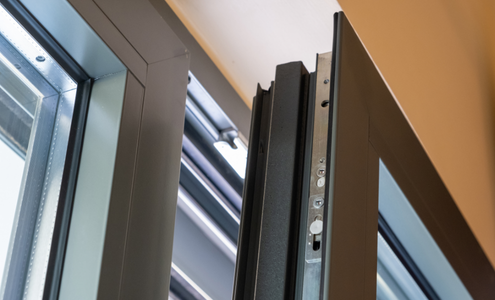
A medium-strength alloy with a smooth surface finish and excellent extrusion properties. Commonly used in building applications such as window frames, door profiles, and trim pieces. It takes anodizing and powder coating exceptionally well, making it a versatile choice for various finishes.

Alloy 1100

Pure aluminum known for its excellent corrosion resistance and high electrical conductivity. Commonly used in chemical equipment, electrical components, and food processing gear. While soft and easy to shape, it is not as strong as other aluminum alloys.

Aluminum Extrusion Finishes

Surface finishes enhance the durability and appearance of extruded aluminum parts by providing protection against corrosion and wear. Below are the finishing methods offered by RapidDirect. We're also happy to discuss additional options to meet your unique specifications.

Anodizing

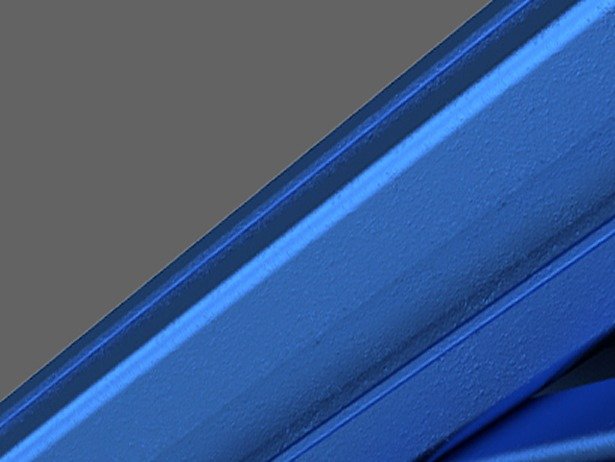
Forms a protective oxide layer to prevent corrosion and provide electrical insulation. Available in natural, black, and colored finishes, ideal for both architectural and electronic applications.

Powder Coating

A dry powder coating baked onto aluminum creates a durable, colorful finish. Resists scratches, UV rays, and chemicals, with a wide color selection for outdoor and decorative use.

Electrophoresis

Uses electric current to deposit paint evenly on complex shapes, providing a smooth finish and excellent corrosion protection—perfect for automotive parts.

Brushed Finish

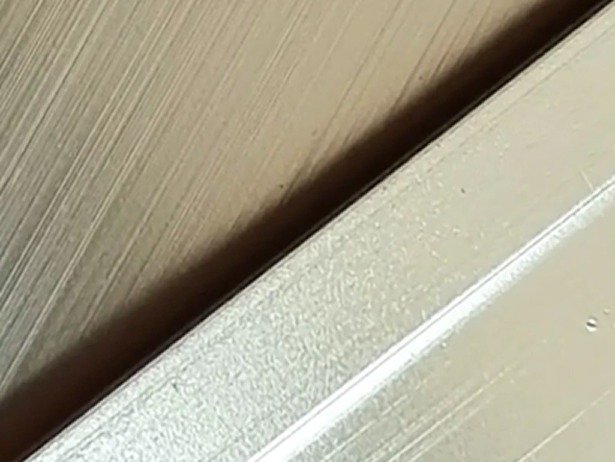
Mechanical brushing creates a directional grain texture that hides scratches and fingerprints. Commonly used for consumer electronics, appliances, and architectural trim with a metal appearance.

Bead Blasting

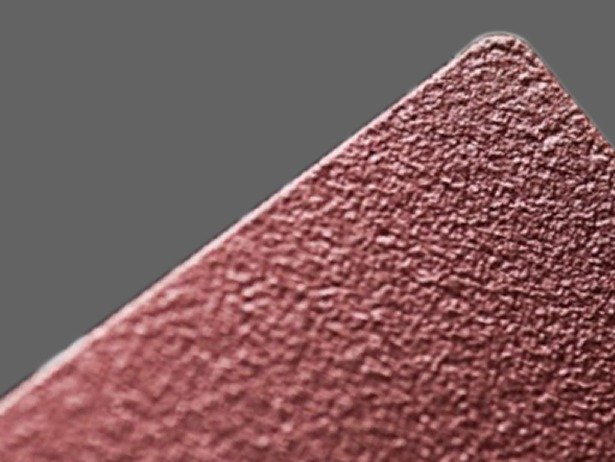
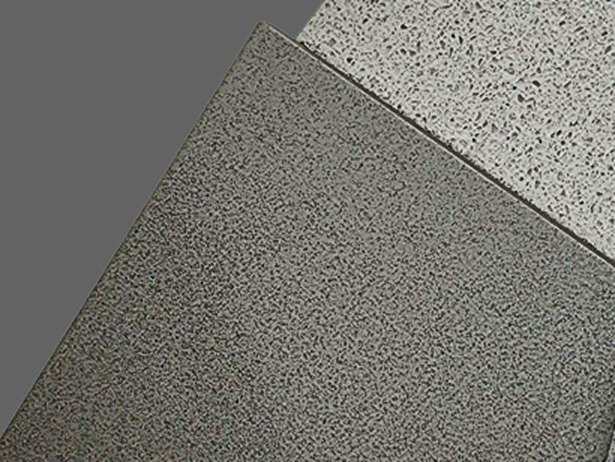
High-pressure glass beads create a uniform matte surface, removing machining marks and providing a consistent appearance for precision parts and decorative applications.

Painting

Liquid paint offers unlimited color choices at a low cost, ideal for prototypes, small batches, and applications requiring color matching.

Silk Screen Printing

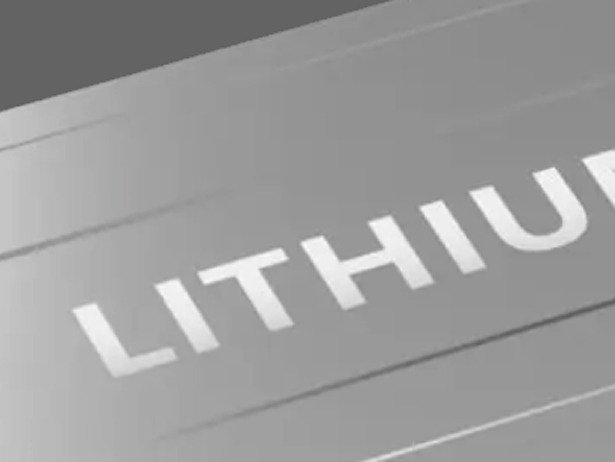
Directly prints logos, text, and graphics onto aluminum surfaces. The durable ink bonds well, making it perfect for control panels, nameplates, and branded products.

Laser Engraving

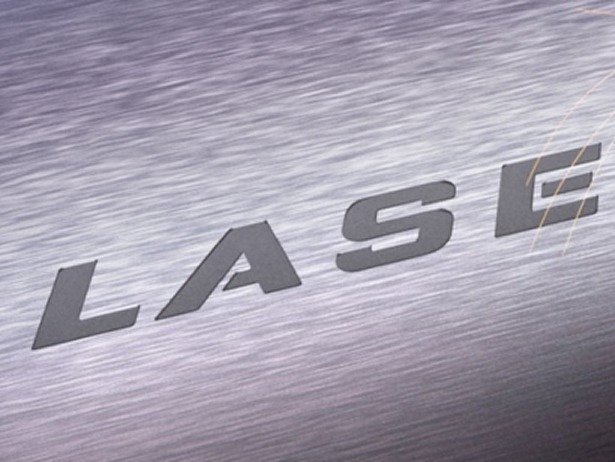
Uses a precise laser to remove material, creating permanent markings, serial numbers, and intricate patterns. Ideal for identification and decorative purposes, with clean, sharp edges.

Why Choose Shenzhen Jinyihe Technology (JYH) Aluminum Extrusion Services?

Versatile Customization

Enjoy complete control over surface finishes, profile shapes, material grades, and color options to meet your exact specifications. Tailored solutions for various industries to ensure optimal performance.

Guaranteed Precision

Critical dimensions are held to ±0.1mm tolerance, and standard dimensions to ±0.15mm, ensuring consistent accuracy and quality for all your fit and function requirements.

Reliable Delivery

With fast tooling and material matching, standard profiles are delivered in 7 days, and complex geometries are completed in 10-15 days—no die modifications needed.

Aluminum Extrusion for Various Industries

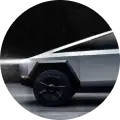
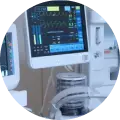
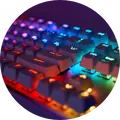
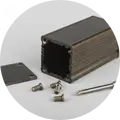
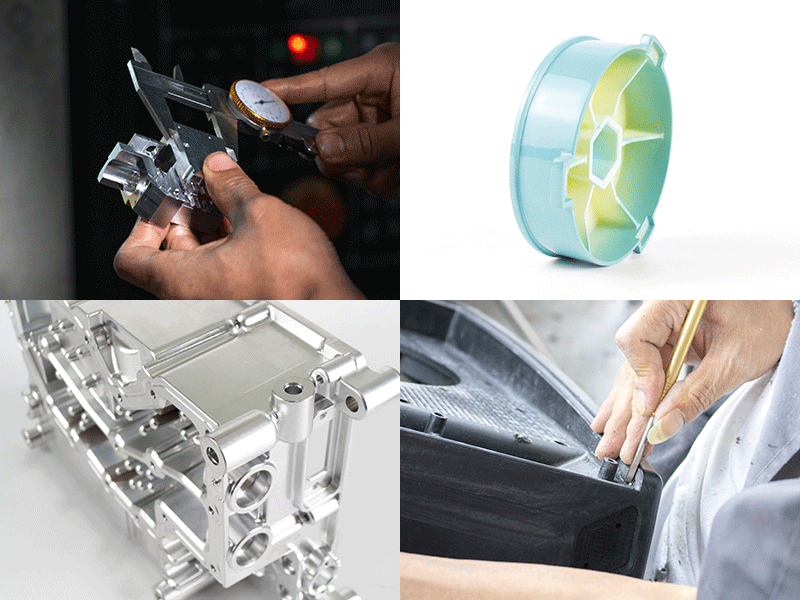
Years of experience in sheet metal fabrication allows us to deliver in a fast lead time. We do hope these outstanding parts from different industries make a significant difference to manufacturing industry.

Aluminum Extrusion Process

Aluminum extrusion involves pushing a heated billet through a custom die to create profiles with a specific cross-section. The process begins with die machining and preheating the billet (400-500°C). The aluminum is then extruded (direct/indirect, hot/cold) based on the alloy and application.

After extrusion, the profile is cooled, stretched, and cut to size. Additional processes like aging, surface finishing, or assembly can be applied. Each part undergoes inspection and packaging before delivery.

Quality You Can Trust

At Shenzhen Jinyihe Technology (JYH), quality is built into every step of our aluminum extrusion process. With ISO-certified production facilities and over 70 extrusion and inspection machines, we deliver parts that meet the highest standards of accuracy and finish.

Dimensional and Tolerance Checks

We carefully measure key dimensions like cross-section width, height, wall thickness, total length, straightness, flatness, perpendicularity, and hole or slot fit. Our inspection tools include calipers, micrometers, height gauges, and coordinate measuring machines (CMM).

Surface Inspection

Each profile undergoes thorough checks for scratches, dents, cracks, air bubbles, burrs, extrusion lines, and deformation. Specialized lighting and magnification are used to spot even the smallest surface issues.

Material and Performance Testing

Upon request, we provide test results for strength, hardness, and material certificates, including RoHS compliance reports, depending on the project’s needs.

Cerfications

Aluminum Extrusion FAQs

When Should I Choose 4/5-Axis CNC Machining?

4- and 5-axis machining is ideal for producing complex or highly detailed components that require tight tolerances, smooth transitions, and precise geometry. When your part involves intricate features, multi-sided machining, or demanding accuracy, 5-axis machining is the best choice.

The maximum workable size for 4- and 5-axis CNC machining is 1200 × H1000 mm, allowing large and complex parts to be produced with precision.

Choose 4- or 5-axis CNC machining when your parts involve complex geometries, intricate details, or require high precision. These technologies allow machining from multiple angles in a single setup, making them ideal for components that cannot be produced efficiently with standard 3-axis machines.

Industries such as aerospace, medical, and automotive often rely on 5-axis machining due to the tight tolerances and sophisticated shapes required. It’s also the preferred choice when you need shorter lead times, improved surface finishes, and maximum accuracy—without compromising on design.

CNC machining costs depend on several factors, including the chosen material, machining complexity, labor, tooling, and surface finishing requirements. For an accurate and fast estimate, feel free to request a quick quote.